A comprehensive investigation into social media testimonies, particularly on Chinese video platform Bilibili, has uncovered alarming patterns of worker mistreatment, hazardous working conditions, and systematic health and safety violations at CIMC's container welding production lines.
Workers report 10–15 hour shifts in underground pits filled with toxic fumes, inadequate protective equipment, and a production system that prioritizes output over human safety.
Extreme Working Conditions: The Underground Production Pits
Former employees describe a brutal work environment centered around CIMC's distinctive production method: workers spend 10-15 hours daily in rectangular underground pits beneath the container assembly line.
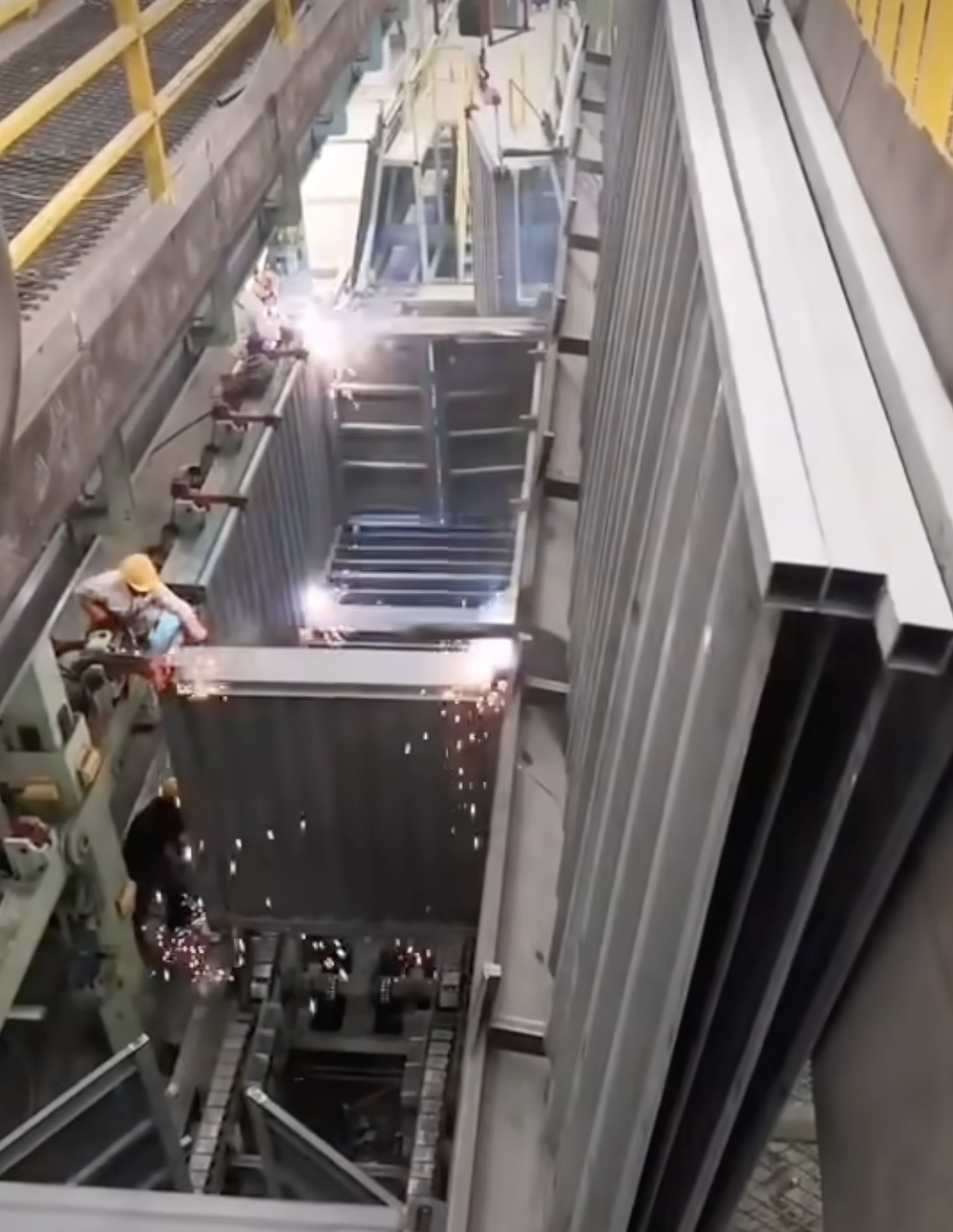
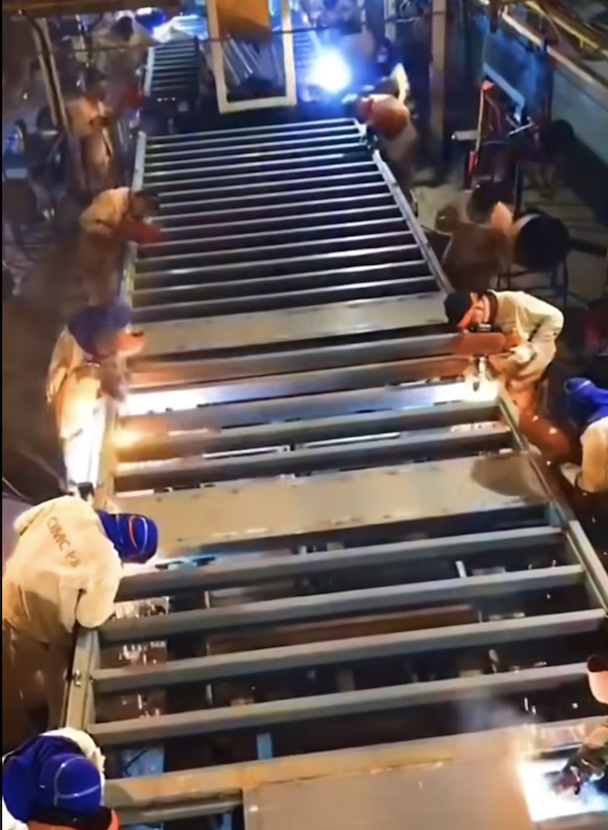
The production system operates on a "total contracting" method, where teams of 4-6 welders are collectively responsible for output quotas. If one worker falls behind, the entire production line slows, impacting the performance metrics and compensation of all team members.
Key allegations include:
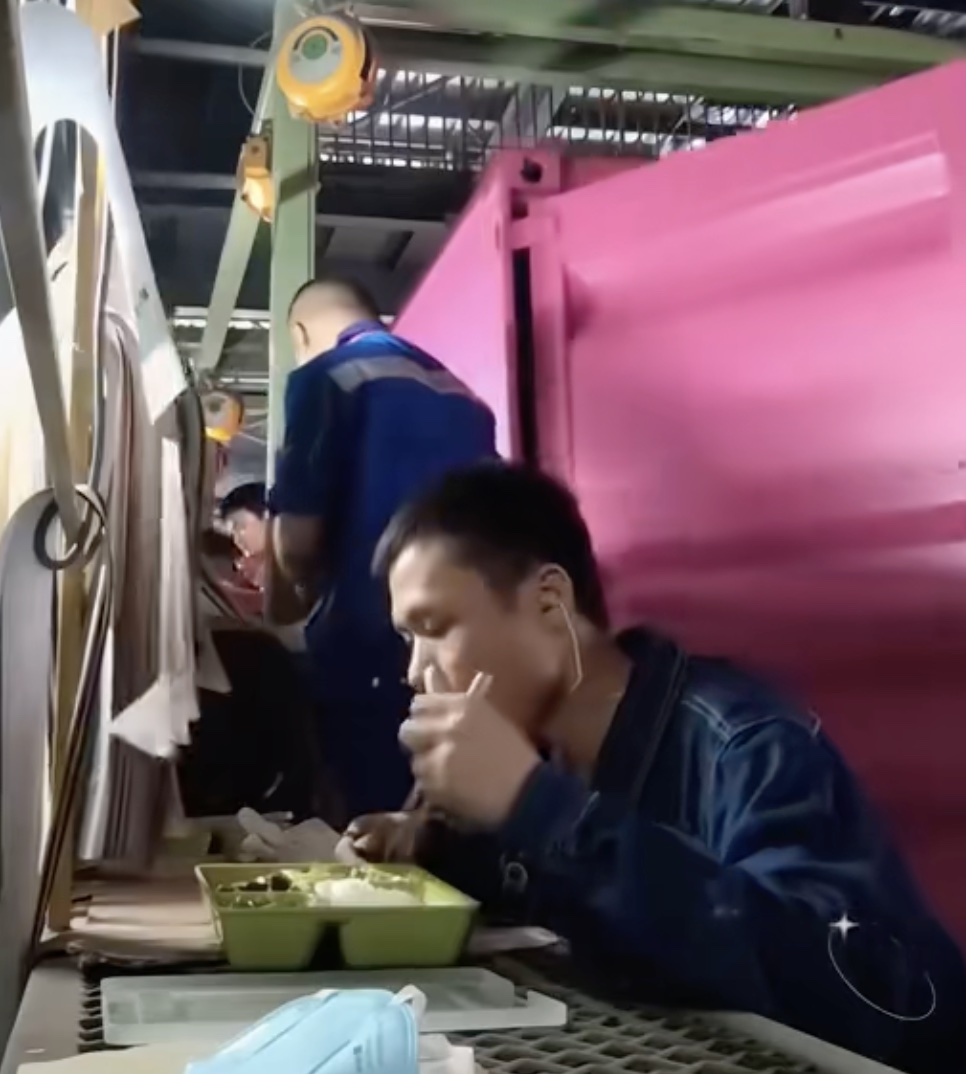
- Absence of proper meal breaks — Workers report having to eat inside the pits without leaving their stations in order to maintain production speed.
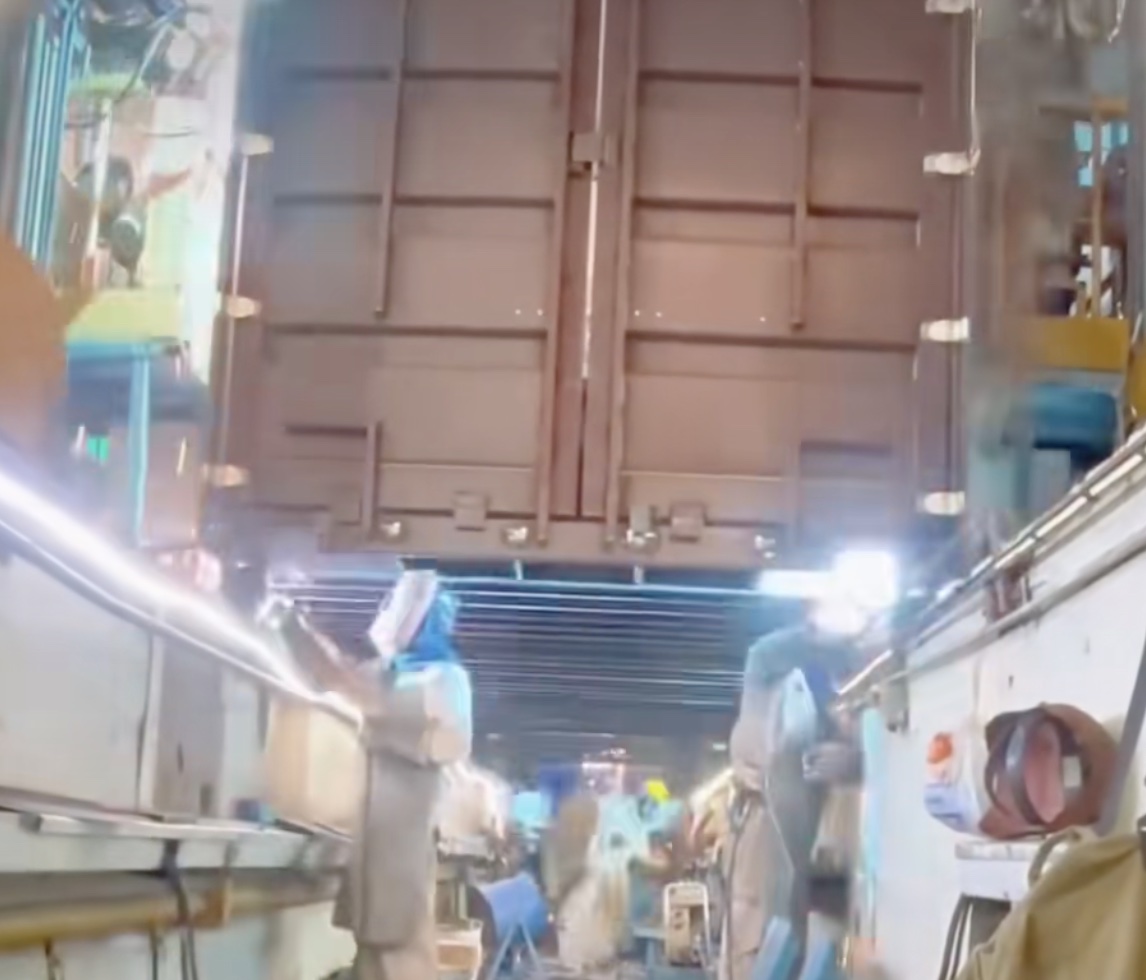
- Sustained overhead welding — Assembly lines run directly above the pits, forcing workers to perform continuous overhead welding for extended periods.
- Extremely long working hours — Shifts reportedly stretch up to 15 hours with only minimal rest, pushing workers to the limits of physical endurance.
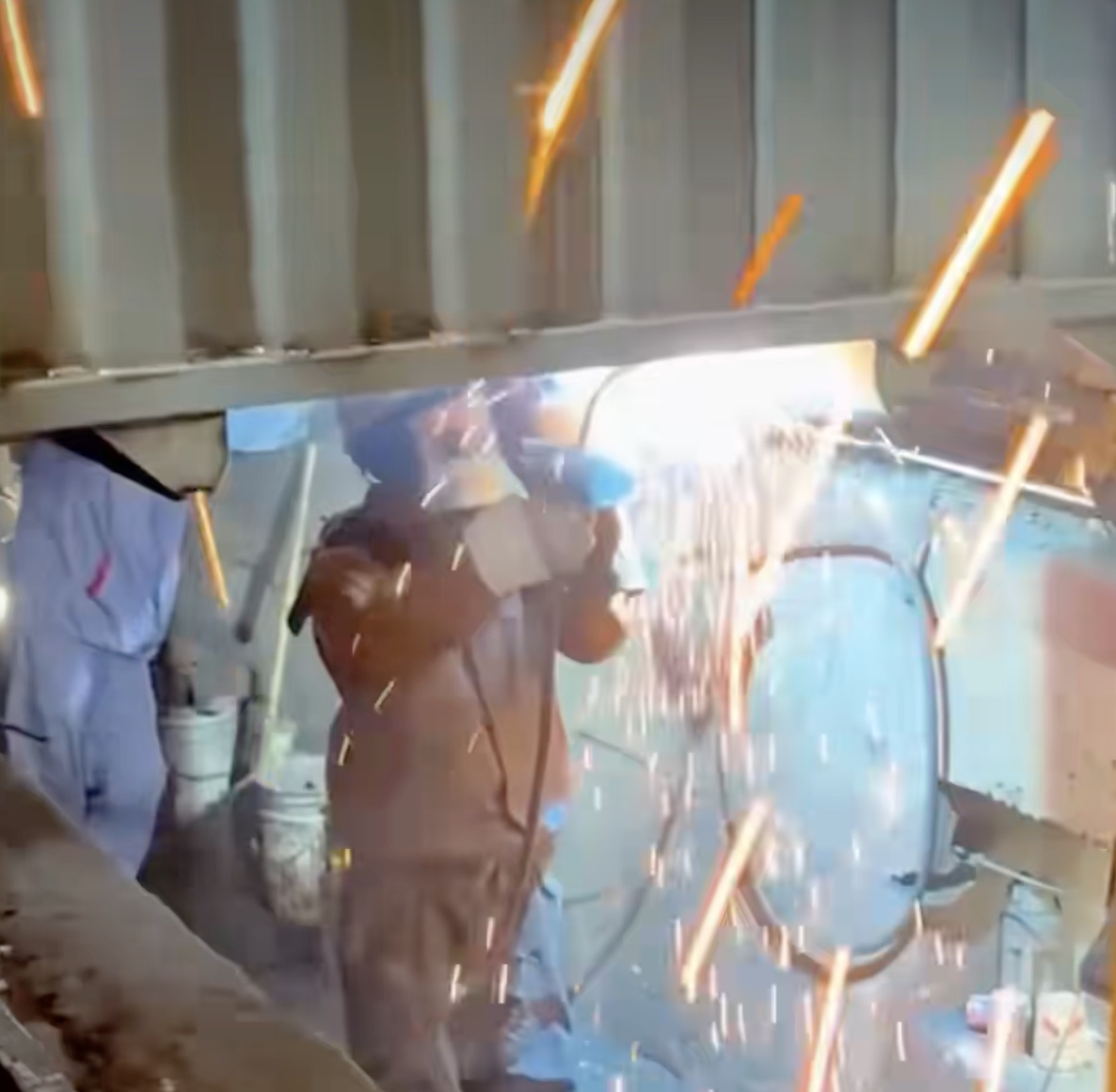
Health Crisis: Toxic Fume Exposure and Inadequate Protection
Perhaps the most alarming allegations concern CIMC's apparent disregard for respiratory health and chemical exposure protection.
Workers consistently report that:
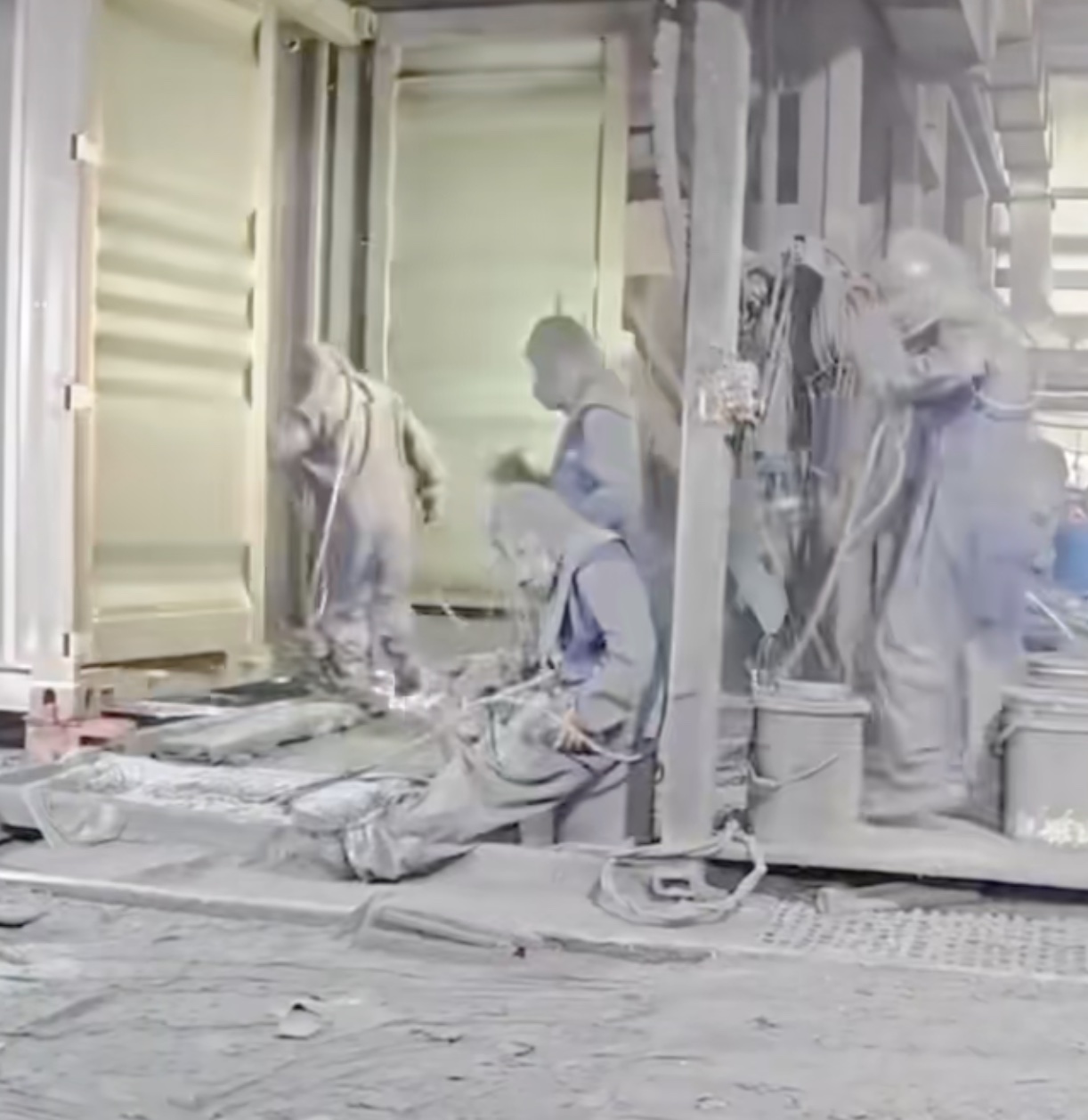
- No ventilation systems exist in the underground welding pits
- Welding fumes accumulate and circulate continuously in the confined spaces
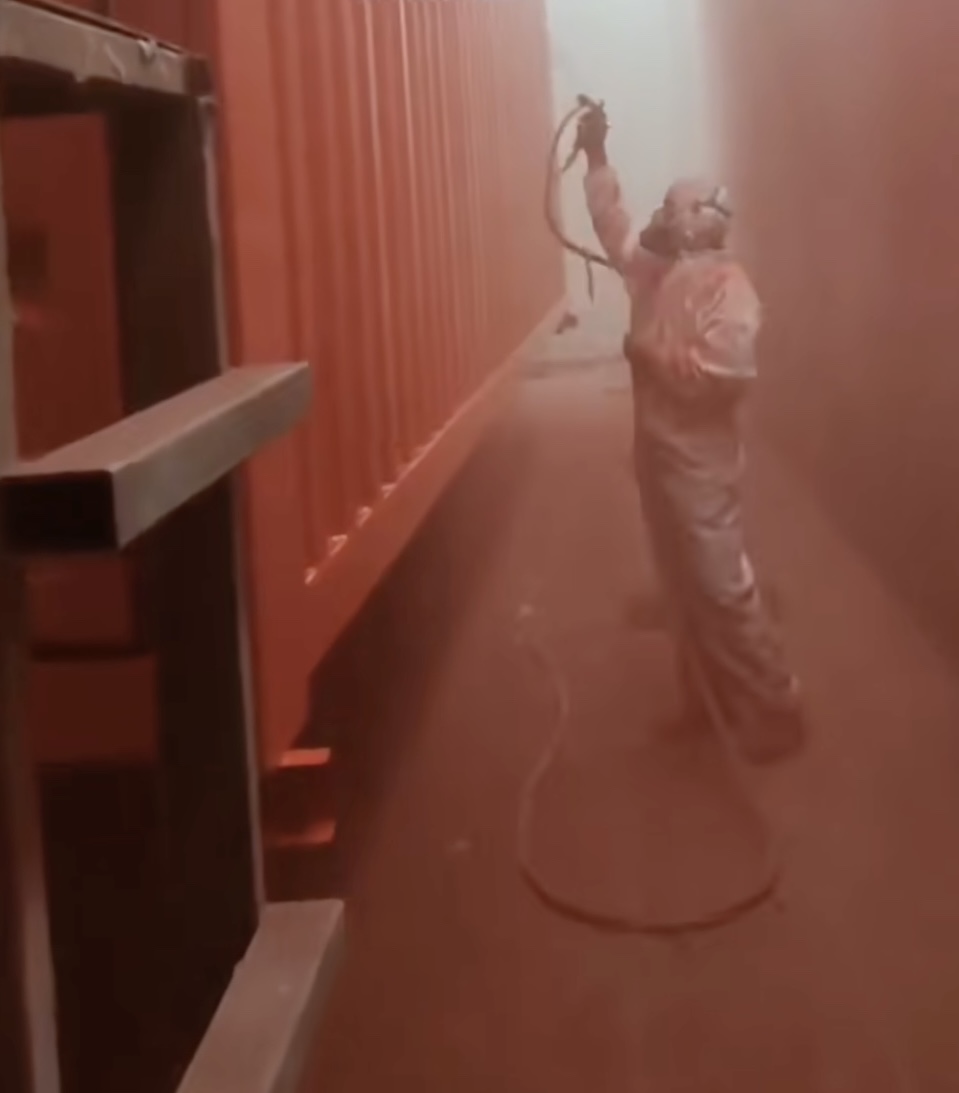
- Standard N95 are provided, but they do not protect against the toxic fumes from welding or spray-painting
- Long-term exposure risks include respiratory diseases and lung cancer
The situation deteriorates further in the painting departments:
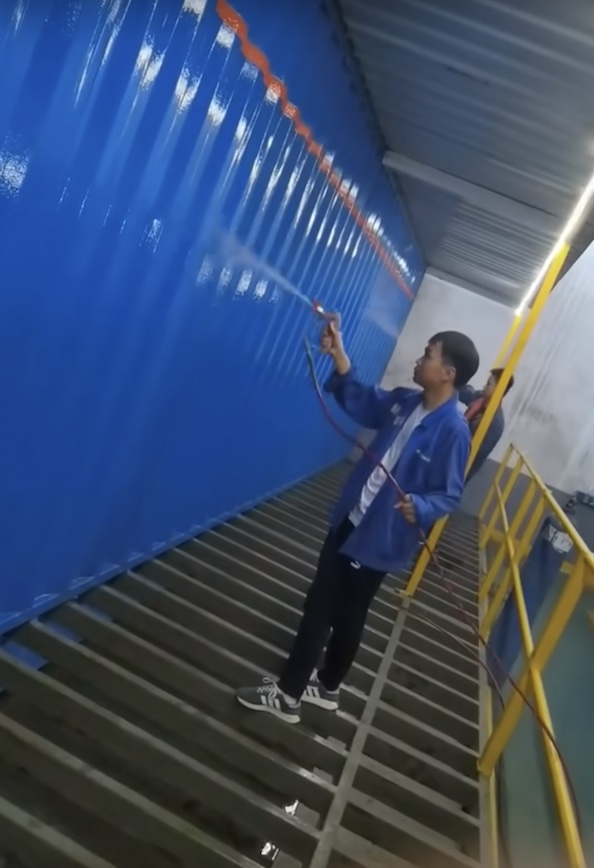
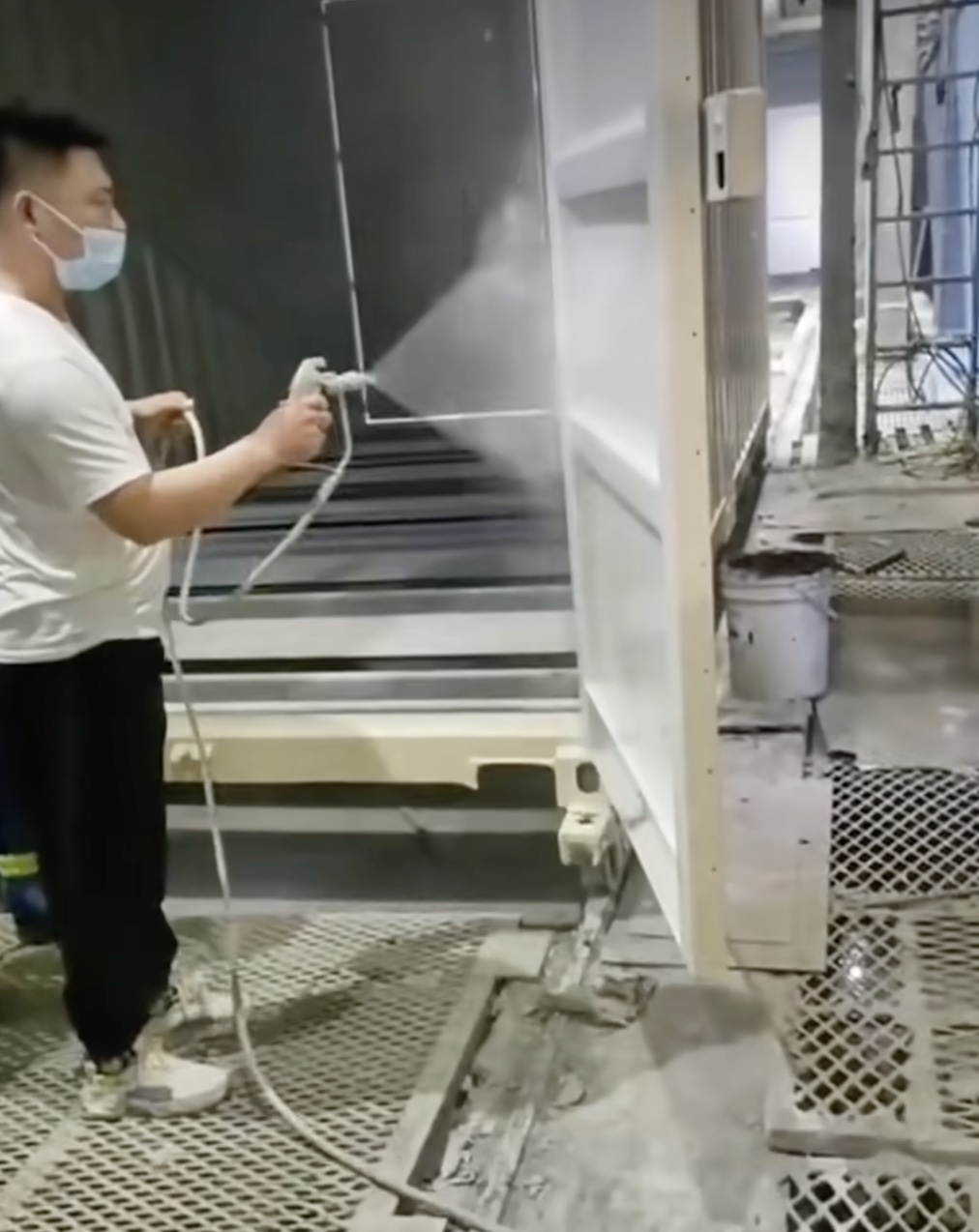
Letting workers spray paint without any protective equipment — this isn’t just negligence, it’s putting workers’ health in freefall.
Worker Testimonies: A Pattern of Exploitation
We have collected extensive testimony from former CIMC employees across multiple facilities. Below are translated excerpts from social media comments, each accompanied by the original screenshot:

Translation: "The CIMC facility here requires arrival at 5 AM and works until 10 PM. About 350 yuan (~$48 USD) per day."

Translation: "CIMC operates a 28-day work cycle, minimum 12 hours daily, typically 14 hours. Assembly line welders perform thousands of welds per shift."

Translation: "My first day at the Fenggang facility (one of the CIMC factory locations), I was assigned night shift. Worked from 6 PM on August 31st until noon on September 1st - 18 hours straight. I don't even remember how I walked back to the dormitory. No AC, no fans, temperature ranged 40-50°C (104-122°F)."

Translation: "Taicang CIMC (one of the CIMC factory locations) welders earn 15,000-16,000 yuan/month (~$2,100-2,200 USD) but can't sustain it. Difficult spray painting jobs pay around 20,000 yuan/month (~$2,800 USD) but literally cost your life - I passed out four times on my first day painting."
⚠️ Wage Context: While 15,000-20,000 yuan/month (~$2,100-2,800 USD) appears competitive, the actual hourly rate after 12-15 hour shifts falls to approximately 33-44 yuan/hour (~$4.50-6 USD) — barely above minimum wage when extreme hours are factored in. The "high pay" effectively compensates for health destruction, not skilled labor.

Translation: "I visited the welding area. Even with just argon arc welding, dust particles filled the air. Equipment placed there for just a few days gets completely covered in residue. Workers don't even have masks. This work is genuinely hazardous."
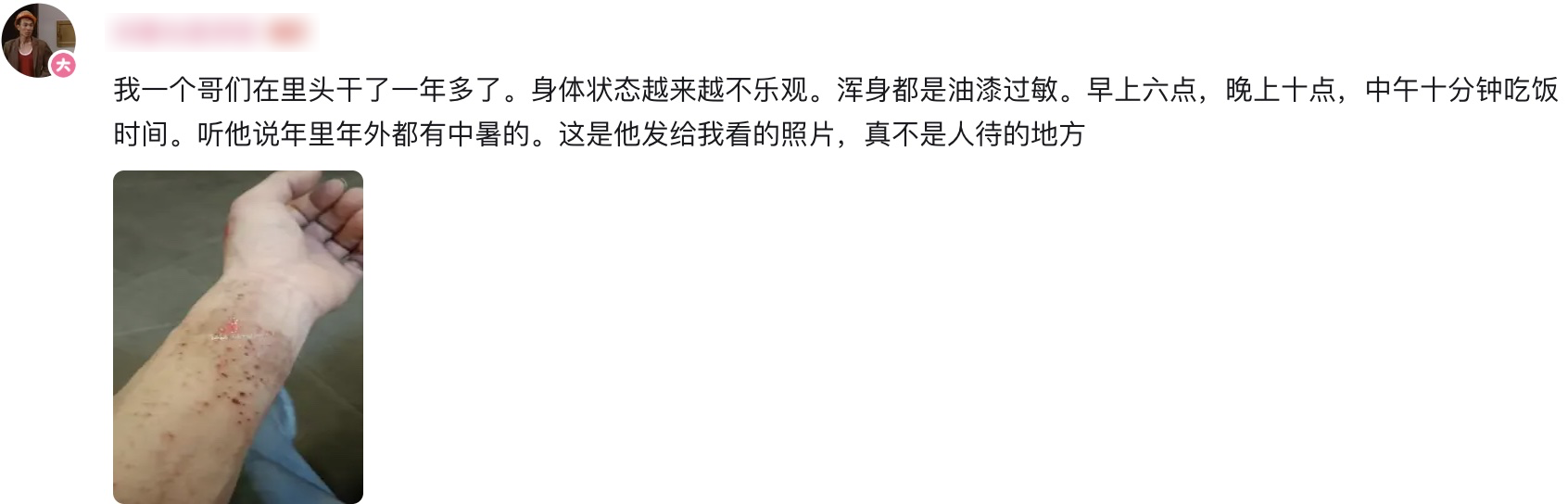
Translation: "A friend of mine worked there over a year. His health deteriorated constantly. His whole body developed paint allergies. Hours are 6 AM to 10 PM, with a 10-minute lunch break. He says people get heatstroke year-round. This place isn't fit for humans."
Systematic Deception: The "Two-Faced" Monitoring System Perhaps most
damning is evidence suggesting CIMC deliberately misrepresents working conditions to international stakeholders. Multiple former employees have reported a dual-standard system:

Translation: "There are surveillance cameras - but they're for outsiders to see. The real situation is completely different."

Translation: "I worked at Shanghai CIMC and left after one week. Except for the ambulance at the entrance which I can't verify, everything else is true. Only the final assembly area operates 8-hour shifts - because those production line cameras are connected to the International Container Association."
These testimonies reveal a dual system: areas monitored by international oversight operate 8-hour shifts, while hidden backend production areas work 12-15 hours in hazardous conditions. This appears to constitute systematic fraud regarding labor standards presented to international customers and regulatory bodies.
CIMC Manufacturing Locations
The allegations span multiple CIMC facilities across China:
| City | Province | Facility Type |
|---|---|---|
| Lianyungang | Jiangsu | Container Manufacturing |
| Taicang | Jiangsu | Container Manufacturing |
| Ningbo | Zhejiang | Container Manufacturing |
| Dongguan (Fenggang) | Guangdong | Container Manufacturing |
🛑 Call for International Investigation and Import Restrictions
Based on these findings, we urgently call upon the European Union, United States, and international regulatory authorities to:
- Launch immediate investigations into labor practices at CIMC manufacturing facilities
- Suspend procurement of CIMC containers pending labor standards verification
- Implement import restrictions on products manufactured under exploitative conditions
- Demand third-party audits with unannounced facility inspections
- Hold CIMC accountable for any systematic misrepresentation of working conditions to international bodies
Every container purchased from CIMC may represent the blood and broken health of workers laboring in toxic conditions without adequate protection.
Given that CIMC containers are exported globally and used throughout international supply chains, customers and regulators share responsibility for ensuring these products are not manufactured through worker exploitation.
The international community must act decisively to protect vulnerable workers and ensure global supply chains do not profit from human suffering.